
Understanding Neurodiversity in the Classroom: Where Furniture Fits In
12/10/2026
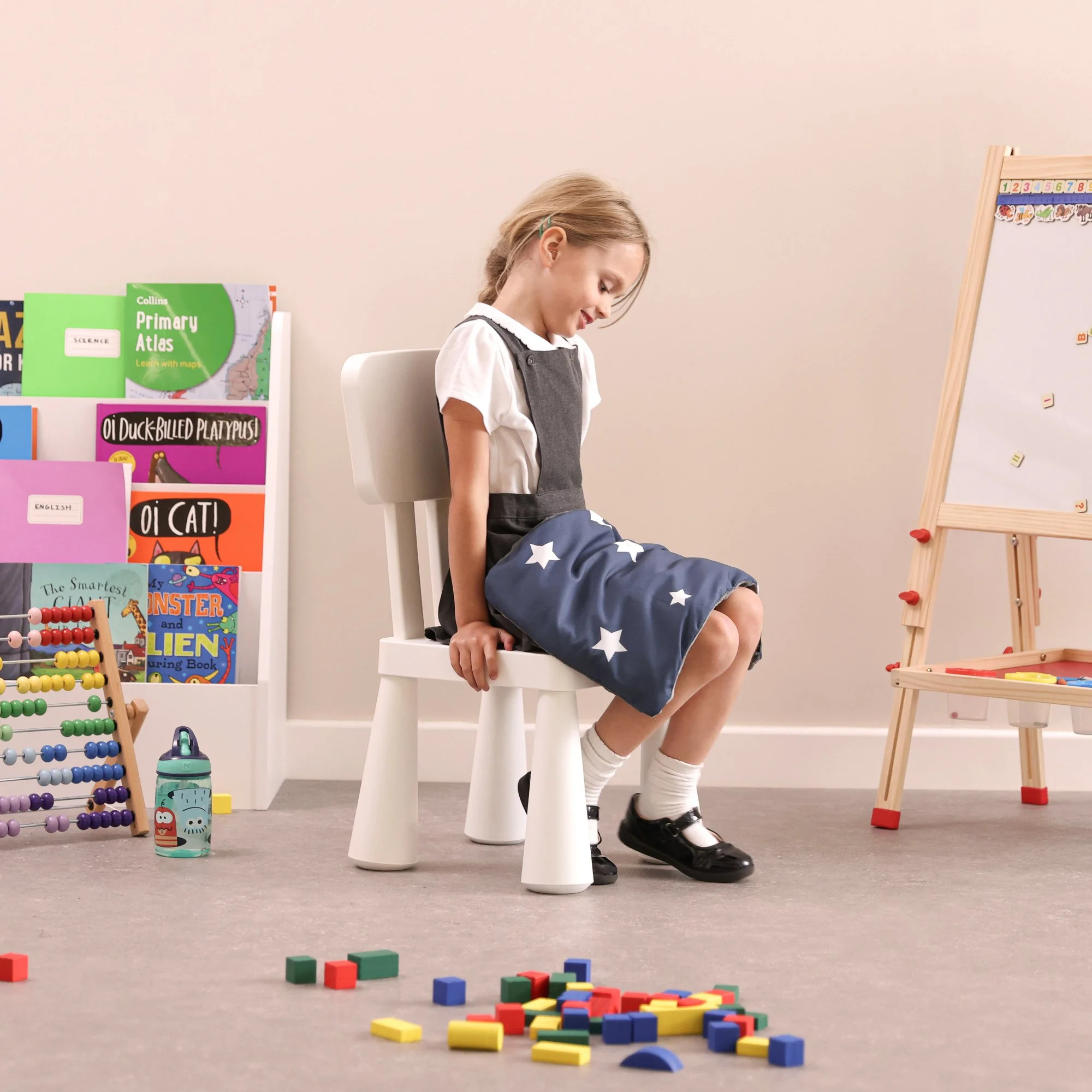
Neurodiversity has moved from a niche SENCO conversation to a mainstream part of classroom design. With a significant proportion of pupils in every classroom likely to be neurodivergent, whether formally identified or not, how a room is furnished has a real bearing on how included and able to focus those pupils feel.
What neuro-inclusive design actually means
It's easy to assume this means specialist equipment reserved for pupils with an EHCP. In practice, the most effective changes tend to be simple and benefit the whole class. Reducing visual clutter, offering seating options beyond the traditional chair, and creating clearly defined zones within a room all support neurodivergent pupils without disadvantaging anyone else. Government SEND guidance increasingly reflects this whole-class thinking.
Practical starting points
Seating variety. Floor cushions and bean bag seating give pupils who benefit from movement or a change of position a legitimate, low-stigma alternative during quiet tasks.
Zoning. Splitting a room into distinct areas helps pupils who struggle with transitions understand what's expected in each part of the room.
Predictability. Keep furniture layout consistent where possible. Sudden changes can be disproportionately unsettling.
Our Calm range
The Calm range was designed with everyday inclusion in mind: muted tones, soft textures, no busy patterns, so pieces slot into a reading corner or quiet zone without adding visual noise. They're supportive enough for extended use, but light enough for pupils to move independently.
A whole-school approach
Furniture alone won't make a classroom neuro-inclusive, but it removes a practical barrier to good intentions. Pairing thoughtful seating with staff training and clear routines tends to produce the best outcomes, and starting with a single shared space, like a library or quiet room, is often the easiest way to trial change.
Get in touch if your school is reviewing its approach to neurodiversity this year.