
Why Flexible Classrooms Are No Longer Optional
Why Flexible Classrooms Are No Longer Optional
Education is shifting, and the government’s investment makes this clear. Funding is being directed towards helping mainstream schools better support neurodiverse pupils to thrive, including £13 million for resources in mainstream settings and a wider £740 million drive to increase specialist provision within mainstream schools (The Education Hub / GOV.UK). With around one in seven children estimated to be neurodivergent (GOV.UK), learning environments that have not evolved can quickly start to feel out of step with the needs of today’s pupils.
The Hidden Cost of Rigid Classrooms
When pupils do not have an environment that works for them, the impact can be significant. Some children find it harder to concentrate, feel less settled, or struggle to stay engaged throughout the day. In turn, that can show up as increased anxiety, more classroom disruption, and a tougher time building positive routines.
And this is not only about neurodivergent learners. Traditional, fixed classroom layouts can unintentionally limit all children. Pupils learn in different ways, and a supportive space should make room for that. Calm where it is needed, movement where it helps, and choice where it builds confidence.
Flexibility That Works in Real Life
Flexible seating is not about swapping chairs for something softer. It is about giving pupils practical options that help them feel settled, focused, and ready to learn.
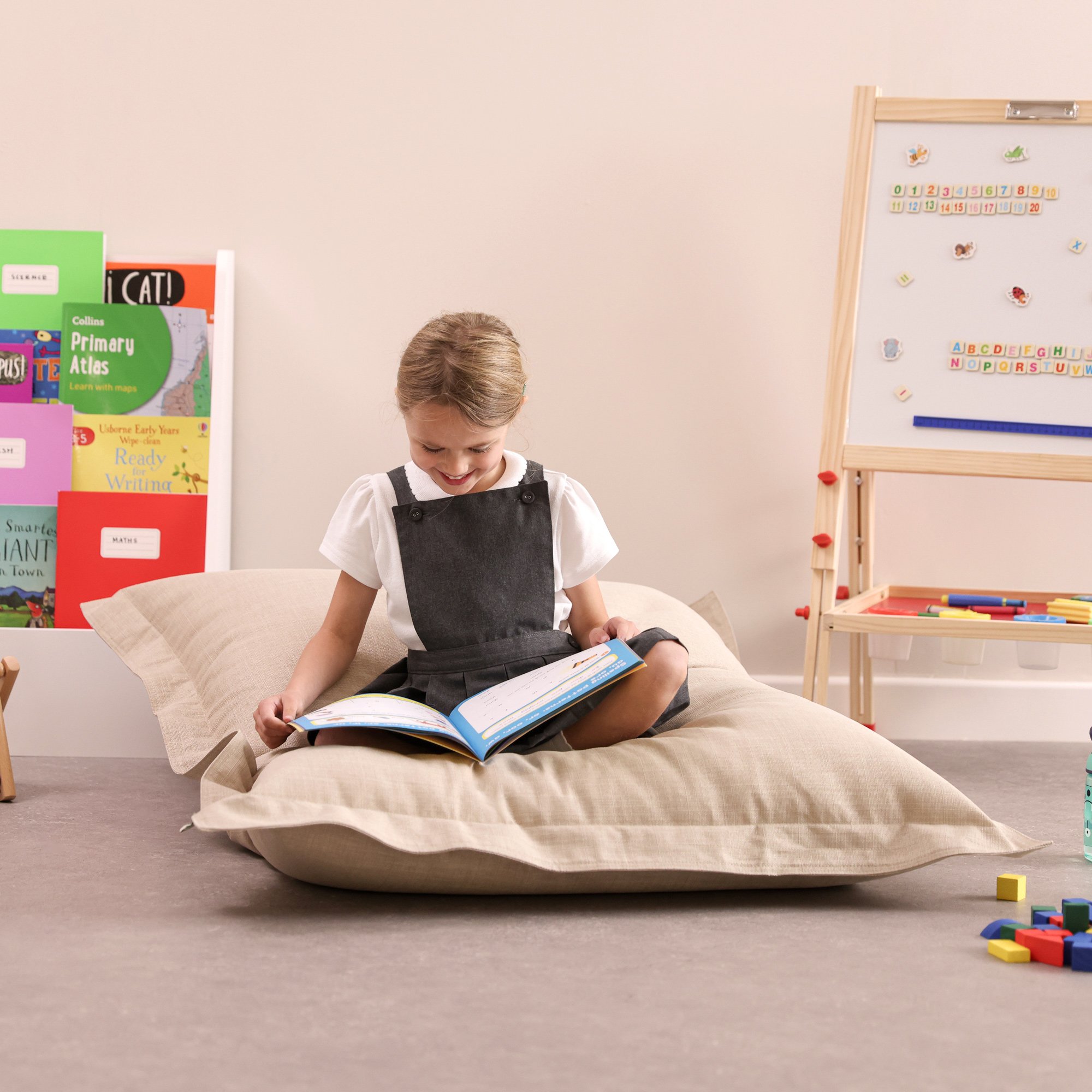
Bean Bags and Grab & Go Cushions allow children to choose a comfortable working spot, which can support engagement and independence.
Many pupils with ADHD find it easier to concentrate when they can gently move while working.
Some pupils with autism feel more secure with clearer boundaries, such as a designated quiet zone with a more defined seat.
Tactile details, like touch tags, can offer helpful sensory input for pupils who regulate through touch.
Small changes like these can make a real difference to how children experience the school day.
The Takeaway
Adaptable seating is not a nice-to-have. It is a thoughtful, evidence-led response to the reality of modern classrooms. The investment is happening, the programmes are rolling out, and schools that act now will not be scrambling later. They will be the ones leading by example. Explore our Thrive range for flexible seating designed to support calmer, more inclusive learning spaces.