
Designing for Neurodiversity
09/02/2026
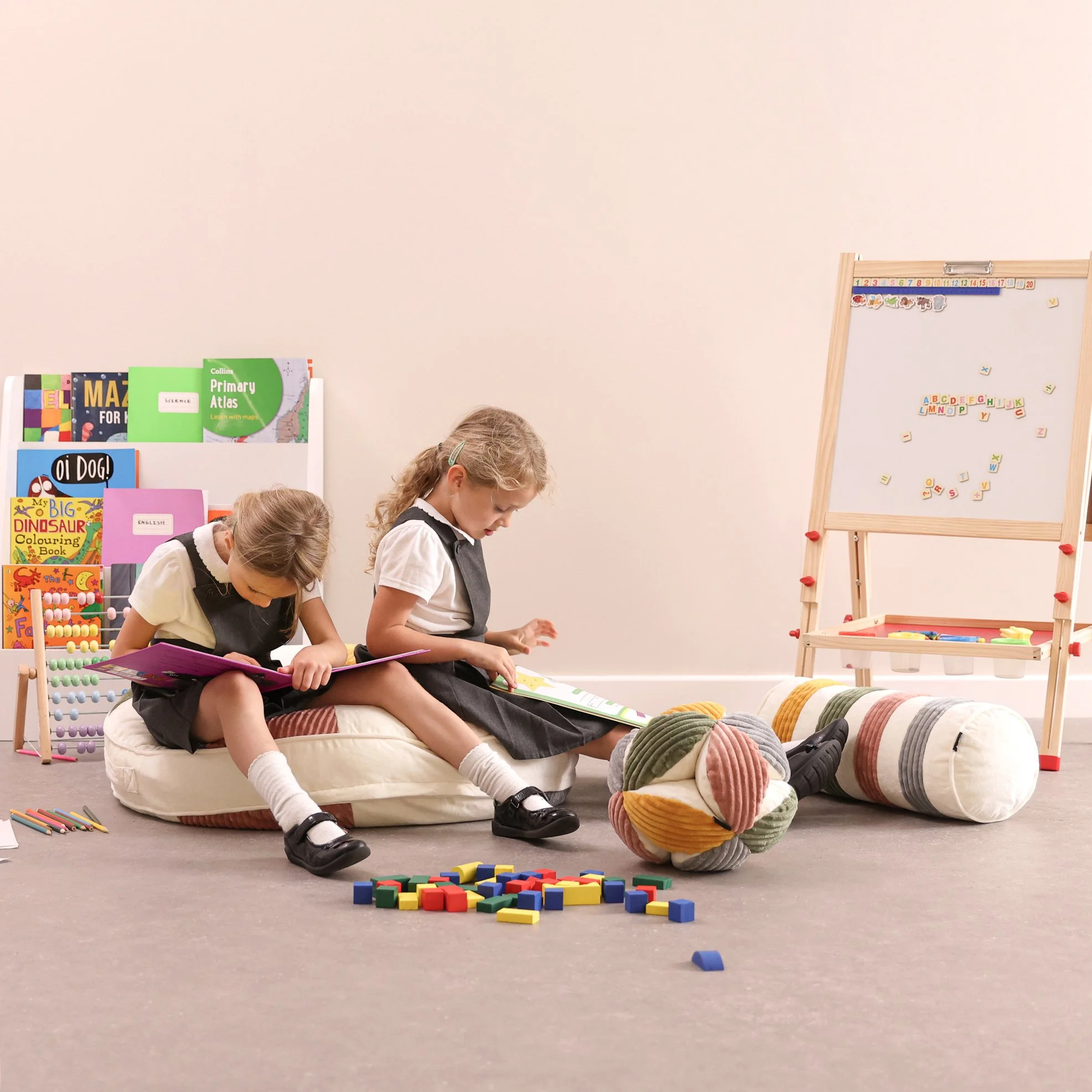
Sensory Bundle
Understanding Neurodiverse Needs
Neurodiversity includes a wide range of learning and thinking styles — from autism and ADHD to dyslexia, sensory processing differences, and beyond. The goal isn’t to redesign the classroom for one type of learner, but to make it flexible enough to suit many. That means creating spaces that can be easily adjusted — quieter corners for pupils who need calm, and collaborative zones for those who thrive on social learning.
The Power of Zones
Zoning is one of the simplest ways to make a classroom more inclusive. Soft seating and bean bags can create relaxed breakout areas, while modular tables and chairs can be moved to reduce crowding or visual distractions. Adding a designated “quiet space” — perhaps with soft textures, neutral colours, and comfortable seating — gives pupils somewhere to reset when things feel overwhelming.
Senses and Space
For neurodiverse learners, sensory comfort is key. Harsh lighting, echoing rooms, or scratchy fabrics can all affect focus and wellbeing. Choosing furniture with soft, tactile fabrics, rounded shapes, and muted tones helps create an environment that feels safe and calm. Materials like Eden’s woven seating or soft bean bags offer comfort through texture — while their easy-clean design keeps things practical for busy classrooms.
Designing for Everyone
Inclusive design benefits all pupils, not just those with specific needs. When classrooms are flexible, calm, and comfortable, every child can find their ideal way to learn. By making small, thoughtful changes, educators can create spaces that celebrate individuality — where every pupil feels seen, supported, and ready to engage.
Built for Inclusion
Eden’s furniture is designed with flexibility and comfort at its core. Lightweight, durable, and made to move, each piece can adapt to a classroom’s changing needs. From quiet corners to active learning zones, Eden helps schools design spaces where every learner — neurodiverse or not — can feel at home.